

What Does Jerk Shrimp Taste Like in Centennial, CO?
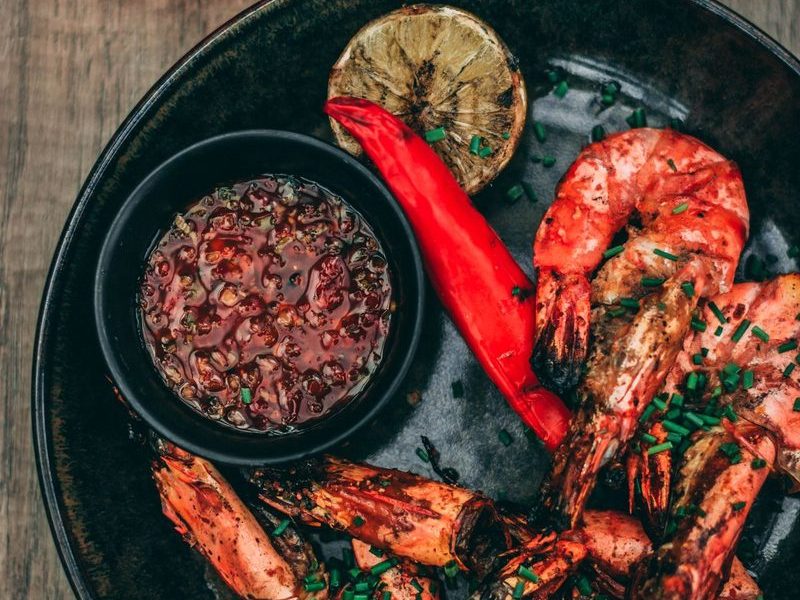
Jerk shrimp tastes sweet, spicy and warmly spiced in the same bite. The shrimp brings a mild natural sweetness, and Scotch bonnet pepper adds a fruity heat. Allspice gives a clove-like warmth, with thyme and onion rounding it out. Cooked right, the shrimp stays firm and juicy, never rubbery. For Centennial, CO diners, our menu lists it sautéed with onions and bell peppers, or grilled over a salad.
Last Updated: October 27, 2026
Jerk shrimp takes the bold seasoning Jamaica is known for and pairs it with a quick-cooking, naturally sweet seafood. The result tastes different from jerk chicken or pork, even when the spice blend is nearly the same.
If you have never ordered it, the big questions are how hot it is and what the shrimp itself adds. Both answers depend on the cook, the amount of pepper and how long the shrimp spends on the heat.
At Reggae Pot Jamaican Grill, we serve jerk shrimp as a full meal and as a lunch salad. This guide breaks down each flavor in the dish, where it comes from and what to expect from your first bite.
What Flavors Do You Taste in Jerk Shrimp?
Jerk shrimp tastes sweet first, then spicy, with a warm spice note that lingers after each bite. White, brown and pink shrimp are “flavorful and sweet,” according to NOAA Fisheries. Jerk seasoning layers Scotch bonnet heat, allspice and thyme over that base, so the flavor moves from sweet to hot to herbal.
| Flavor | Where It Comes From | What You Notice |
|---|---|---|
| Sweetness | The shrimp itself | A mild, clean base under the spice |
| Heat | Scotch bonnet pepper | Fruity heat that builds as you eat |
| Warm spice | Allspice, called pimento in Jamaica | A clove-like warmth with hints of cinnamon and nutmeg |
| Herbal | Thyme with onion or scallion | A savory, green note that balances the heat |
| Texture | A short cooking time | Firm, juicy flesh when cooked just right |
The balance shifts from kitchen to kitchen, because jerk recipes vary with the cook. More pepper pushes the heat forward, while a lighter hand lets the shrimp’s sweetness come through.
What Gives Jerk Shrimp Its Flavor?
Jerk shrimp gets its flavor from a short list of ingredients that most jerk recipes share. Writers at the Christian Science Monitor and the Boston Globe both name allspice, Scotch bonnet pepper and thyme as the core of jerk. Each one shapes how the shrimp tastes on your fork.
Allspice, the Warm Base
Allspice is the dried berry Jamaicans call pimento, and it sits at the heart of jerk seasoning. Its English name comes from its taste, which reminds many people of cloves, cinnamon and nutmeg combined.
On shrimp, that warmth reads as sweet and gently peppery.
Pimento shows up across Jamaican cooking, not only in jerk. Did you enjoy the warm spice in our look at what curry goat tastes like? You will recognize the same berry here, in a brighter and quicker dish.
Scotch Bonnet, the Heat
Scotch bonnet pepper supplies most of the heat in jerk. Cooks describe it as hot and fruity, and it is close to a habanero in both flavor and fire.
That fruitiness matters on shrimp. The pepper’s bright edge matches the shrimp’s own sweetness, so the heat feels lively instead of flat or harsh.
How hot your jerk shrimp tastes depends on how much pepper the cook uses. Some versions stay gentle, while others build with every forkful.
Thyme, Onion and Scallion
Thyme gives jerk its herbal backbone. Most jerk recipes also call for onion or scallion, which adds a savory sweetness once it softens in the pan.
Some cooks add cinnamon, ginger or cloves as well, pushing the blend warmer or sharper. That is one reason no two jerk kitchens taste exactly alike.
On our menu, the jerk shrimp is sautéed with onions and bell peppers, so those vegetables carry the seasoning into every bite. We cook with fresh spices, a point of pride for our owner and lead chef, Tamara Nisbeth, who is originally from Montego Bay, Jamaica.
Smoke and the Cooking Method
Traditional jerk gets a smoky note from cooking over pimento wood or charcoal.
Shrimp cooks in just a few minutes, so it spends far less time over a fire than a whole chicken does. The method shapes the flavor more directly. Grilled shrimp picks up char on the outside, while sautéed shrimp takes on the seasoning and the juices of the pan.
Our jerk shrimp meal is sautéed, and our Jerk Shrimp Salad uses grilled shrimp, so you can try both styles.
How Is Jerk Shrimp Different From Jerk Chicken?
Jerk shrimp is lighter, sweeter and much quicker to cook than jerk chicken. Chicken has time to soak up a long marinade and take on deep char, while shrimp cooks in minutes. The jerk flavor sits closer to the surface, and the shrimp’s own sweetness stays in front.
Jerk marinades for meat can run up to 24 hours, according to the Christian Science Monitor’s guide to jerk cooking. Our own jerk chicken is a half chicken marinated in a blend of Jamaican herbs and spices and grilled over open flame. That gives it a deeper, charred flavor than shrimp can reach.
Shrimp suits diners who want the jerk spice without a heavy plate. If you are weighing the chicken side of the menu, our guide to how jerk chicken compares with slow-cooked oxtail walks through that choice.
How Do We Serve Jerk Shrimp for Centennial Diners?
We serve jerk shrimp two ways: as a full meal with sides and as a lighter lunch salad. Both lean on traditional jerk spices, but the cooking method and the sides you choose change how the dish tastes. It is worth knowing which one fits your appetite.
The Jerk Shrimp Meal
The Jerk Shrimp on our menu is jumbo shrimp sautéed in traditional jerk spices, onions and bell peppers. Sautéing keeps the shrimp juicy and lets the vegetables soak up the seasoning.
Like every meal on our menu, it comes with your choice of two savory sides. That makes it easy to build a plate that cools the heat or leans into it.
Seafood fans can also try our escovitch red snapper, a whole fish in a tangy dressing. Our guide to the best fish for escovitch explains how that dish works.
The Jerk Shrimp Salad
For a lighter lunch, our Jerk Shrimp Salad uses grilled shrimp tossed in our signature jerk sauce, with fresh veggies on a bed of greens. Grilling adds a touch of char, and the cool greens soften the heat.
Because the shrimp is tossed in sauce, the jerk flavor coats every piece. The Christian Science Monitor once noted that a dry jerk seasoning does not give food the same depth of flavor as jerk sauce.
This version suits a midday meal when you want the spice without a full plate of sides.
Sides That Balance the Heat
Sweet and starchy sides are a simple way to manage jerk heat. Ripe fried plantains, fried to a golden brown, echo the sweetness of the shrimp, while rice and peas gives the spices something to cling to.
Steamed cabbage adds a lighter vegetable side. Festival, a cornmeal flatbread on our menu, works well for scooping up the onions and peppers.
Feeding a group? Our catering menu carries jerk chicken and jerk pork, so the whole table can share the same bold seasoning.
Taste Jerk Shrimp for Yourself in Centennial
Jerk shrimp balances natural sweetness against warm spice. It has a firm, juicy bite whenever it is cooked with care and pulled from the heat on time. The amount of Scotch bonnet sets the heat, and the cooking method decides whether you taste char or pan-seasoned shrimp.
At Reggae Pot Jamaican Grill, we sauté our jerk shrimp with onions and bell peppers and serve it with your choice of two sides. Hungry for a first taste? Call (303) 997-5623 to order, and check our Reggae Pot locations page for the Centennial kitchen nearest you.
Frequently Asked Questions
What is jerk shrimp?
Jerk shrimp is shrimp seasoned with a Jamaican jerk spice blend, then grilled or sautéed. The shrimp stays sweet and juicy while the seasoning adds warmth and heat. On our menu, we sauté jumbo shrimp with jerk spices, onions and bell peppers.
Is jerk shrimp spicy?
Jerk shrimp is usually spicy, because Scotch bonnet pepper is a core jerk ingredient. The heat level comes down to how much pepper goes into the blend, so one version can feel gentle and another fiery. Sweet sides such as fried plantains or rice and peas help cool each bite.
What is in jerk seasoning?
Jerk seasoning is built on allspice, also called pimento, plus Scotch bonnet pepper and thyme, usually with onion or scallion. Many cooks add cinnamon, ginger or cloves, and recipes vary from kitchen to kitchen. The blend is used as a rub or marinade for meat, seafood and vegetables.
What does jerk sauce taste like?
Jerk sauce usually balances the heat of Scotch bonnet pepper with sweetness and warm spice, and grilled jerk adds a smoky edge. The exact taste depends on the recipe. We serve our signature jerk sauce with our jerk wings and jerk pork. Our guide to how brown stew chicken differs from jerk chicken compares it with a richer sauce.
Why is my shrimp rubbery?
Rubbery shrimp is usually overcooked shrimp, because shrimp cooks in just a few minutes. Leaving it on the heat longer, even to chase grill marks, dries it out and tightens the flesh. Take it off the heat as soon as the flesh turns opaque.
How do you know when shrimp is cooked?
Shrimp is cooked when its flesh turns firm, pearly and opaque, according to the FDA. The agency also says most seafood should reach an internal temperature of 145°F. It offers those visual cues for cooks without a food thermometer.
What to serve with jerk shrimp?
Rice and peas, fried plantains and steamed cabbage work well with jerk shrimp, because they balance the heat with sweetness and starch. Festival, a cornmeal flatbread, also pairs well with the spice. Our meals come with your choice of two savory sides.