


What Does Curry Goat Taste Like in Centennial, CO?
What Does Curry Goat Taste Like in Centennial, CO?
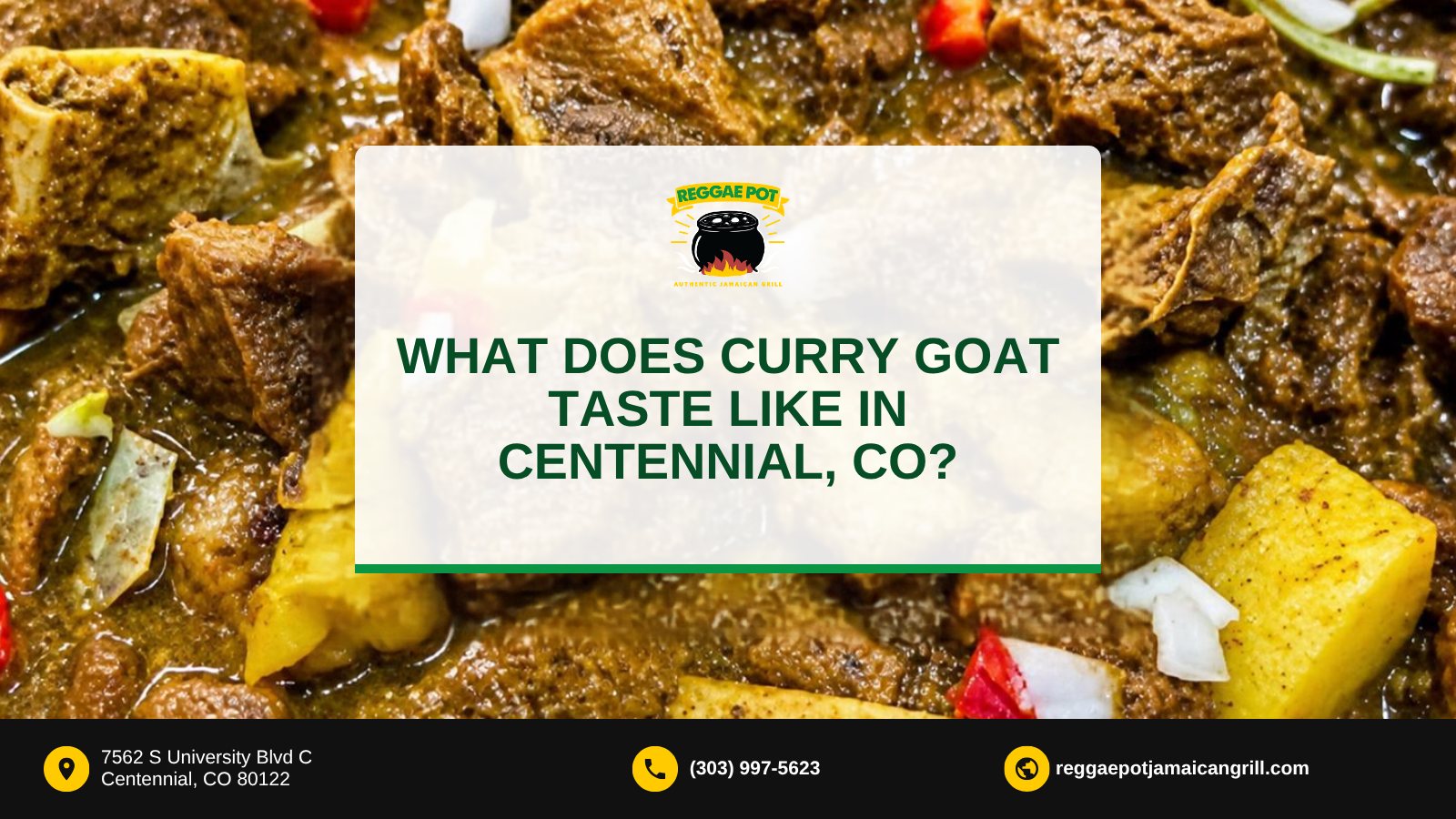
Curry goat tastes rich, earthy and warmly spiced, with a deeper, more savory flavor than curry chicken. The curry brings warmth, allspice adds a clove-like note, and thyme, garlic and onion round it out, with heat from Scotch bonnet that varies by cook. Slow-cooked until tender, it is usually served with rice and peas or wrapped in roti, and it is easy to try in Centennial, CO.
Curry goat is one of those dishes people hear about long before they try it. The name alone makes some diners hesitate, mostly because they are not sure what goat will taste like.
The short version is that it tastes like a deeply seasoned, slow-cooked curry with a richer meat than chicken. The longer version is worth knowing, because every part of the dish adds something.
At Reggae Pot Jamaican Grill, we serve curry goat as one of the island classics on our menu. Contact us today to find our Centennial location and plan your first taste.
The Flavor of Curry Goat, Note by Note
Curry goat is layered, so it helps to take it apart. The table below breaks the flavor into the notes you will notice most.
| Flavor Note | Where It Comes From | How It Tastes |
|---|---|---|
| Curry warmth | Curry spices | Earthy, golden and gently bitter |
| Island spice | Pimento (allspice) seeds | Warm and clove-like |
| Savory base | Onions, garlic and thyme | Rounded, herbal and deep |
| Heat | Scotch bonnet pepper, in many recipes | Anywhere from a mild glow to real heat |
| The meat | Goat | Richer and earthier than chicken |
Put together, those notes make a curry that is savory first and spicy second. Our curry goat is freshly cut goat meat marinated in Jamaican seasonings, onions, pimento seeds, garlic, thyme and curry spices, then cooked until tender.
What Makes Jamaican Curry Goat Different
Curry goat is found in many countries, but the Jamaican version has its own character. These four details explain where it comes from and why it tastes the way it does.
Indian Roots, Jamaican Seasoning
Curry goat came to the Caribbean with Indian workers. More than 36,000 Indians arrived in Jamaica as indentured laborers between 1845 and 1917, and they brought curry cooking with them.
Over time, Jamaican cooks made the dish their own. Allspice, thyme and Scotch bonnet pepper joined the curry, giving the dish a flavor of its own.
The result is a true Jamaican dish with a long Indian thread running through it. The curry spices arrived from India, while Scotch bonnet pepper is native to the Caribbean. You can taste both traditions in one bowl.
Goat Brings a Deeper Flavor
Goat is the heart of the dish, and it is the part people wonder about most. It has a fuller, earthier flavor than chicken, and it holds up well against strong spices.
That depth is the reason goat suits curry so well. A milder meat can get lost under the seasoning, while goat stands up to it. The pimento, thyme and curry spices season the goat without hiding its flavor.
If you enjoy lamb or slow-cooked beef, curry goat will feel familiar. It sits in that same rich, savory family.
Curry Powder Toasted in the Pot
Many Jamaican cooks toast the curry powder in hot oil before the meat goes in, a step often called burning the curry. It sounds alarming, but the aim is to cook out the raw, dusty taste of the spices, not to scorch them.
That quick toasting deepens the color of the sauce and gives the curry a rounder, nuttier warmth. It is one reason Jamaican curry tastes different from a curry made by simply stirring powder into liquid.
When you taste curry goat and notice a toasty depth under the spice, that step is usually why.
A Dish Made for Celebrations
In Jamaica, curry goat is a popular dish at parties and special occasions. A large pot of it is a common sight at family gatherings and celebrations.
That history shapes how it is cooked. It is meant to be made in quantity and shared, and a big pot of goat rewards a long, slow cook.
The care behind it matters to Tamara Nisbeth, who leads our kitchen. She is originally from Montego Bay and takes pride in traditional Jamaican cooking with fresh spices.
The Texture Behind the Flavor
How curry goat feels in your mouth is a big part of how it tastes. Four things shape the texture and finish of a good plate.
Tender Meat From Slow Cooking
Goat needs time. Cooked quickly, it can be tough, but slow cooking lets the meat soften until it pulls apart with a fork.
Many traditional recipes use bone-in pieces, which add flavor to the sauce as they cook. Either way, the goal is meat that is fully tender. On our menu, the goat is freshly cut and marinated in Jamaican seasonings before it is cooked until tender.
If you have had tough goat before, it may have been rushed. Properly cooked curry goat should never be chewy, and tender meat lets the curry sauce cling to every piece.
A Thick, Spoonable Curry Sauce
As the goat cooks, the spices, onions and juices reduce into a thick curry sauce. It coats the meat rather than pooling like a soup. Pimento seeds, garlic and thyme cook into it, so the sauce carries the same layers you taste in the meat.
That sauce is where much of the flavor lives. It is warm, savory and deeply spiced, and it is made to be spooned over rice.
Do not leave it on the plate. Rice and peas, white rice or a piece of roti will all catch it, and the sauce is half the reason people order curry goat again.
Potatoes That Soak It All Up
Many Jamaican cooks add potatoes to the curry pot. They absorb the sauce and soften into creamy, spiced chunks. Because they cook alongside the goat, they take on the same curry warmth, pimento and thyme.
The potatoes also help stretch the dish, which is handy when it is cooked for a crowd. Today they are simply part of the classic flavor.
Our curry goat roti is curry goat served in a roti with curry potato. It is an easy way to taste the goat and the potato together in one bite.
A Warm Finish That Builds Slowly
Curry goat does not hit all at once. The first bite tastes savory and earthy, and the warmth of the spices builds gently as you keep eating.
If the cook added Scotch bonnet, the heat tends to arrive last and linger at the back of the throat. A forkful of rice or a bite of fried plantain cools it quickly.
That slow build is part of what makes the dish so satisfying. It feels warming rather than sharp.
How Curry Goat Is Served
In Jamaica, curry goat is commonly served with white rice or rice and peas. The rice soaks up the curry sauce, and the beans in rice and peas add body.
Roti is the other classic partner. You can tear the flatbread and use it to scoop the curry, or eat curry goat wrapped inside it, like the curry goat roti on our menu.
Fried plantains are a smart side if you want something sweet to balance the spice. Steamed cabbage adds a lighter, fresher note next to the rich curry.
What This Means for Your First Plate in Centennial
Curry goat tastes rich, earthy and warmly spiced, with tender meat and a sauce made for rice. If you enjoy lamb, beef stew or curry chicken, it is a natural next dish to try.
At Reggae Pot Jamaican Grill, we are happy to help you choose sides that suit your taste. Call us today to place your order with our Centennial location.
Frequently Asked Questions
What does curry goat taste like?
Curry goat tastes rich, earthy and warmly spiced. The curry gives it a golden warmth, allspice adds a clove-like note, and onion, garlic and thyme build a savory base. Goat has a deeper flavor than chicken, and slow cooking makes it tender with a thick, spoonable sauce.
Does curry goat taste gamey?
Goat has a stronger, earthier flavor than chicken, and some people describe it as slightly gamey. In a well-made curry, the spices balance that flavor so it tastes rich rather than strong. If you enjoy lamb, you will likely find curry goat familiar rather than gamey.
Is curry goat spicy?
Curry goat is warmly spiced, but the heat varies by cook. Many Jamaican recipes include Scotch bonnet pepper, which can add real heat, while others keep it mild. The curry spices themselves are more warm and earthy than hot, so the pepper decides how spicy it gets.
What is the difference between curry goat and curry chicken?
Both use similar Jamaican curry seasoning, but the meat changes the dish. Curry goat is richer and earthier, and it needs longer, slower cooking to become tender. Curry chicken is lighter and milder in flavor, and some first-timers try it before moving on to curry goat.
Why is curry goat so popular in Jamaica?
Curry goat is popular in Jamaica because it is rich, filling and made for sharing. It arrived with Indian indentured workers from the 1840s onward and became a favorite at parties and special occasions. It is flavored with the spice mix typical of Indo-Jamaican cooking.
What do you eat with curry goat?
Curry goat is usually eaten with white rice or rice and peas, which soak up the curry sauce. Roti is another classic, used to scoop the curry or wrap it. Fried plantains and steamed cabbage are popular sides that balance the rich, spiced meat.
Is curry goat tender?
Curry goat should be very tender when it is cooked properly. Goat can be tough if it is rushed, so it is cooked slowly until the meat softens and pulls apart easily. Chewy curry goat is usually a sign that it was not cooked long enough.
What is curry goat roti?
Curry goat roti is curry goat wrapped in roti, a soft flatbread that came to the Caribbean through Indian cooking. It turns the dish into an easy meal you can hold. Many versions include curried potatoes inside the roti with the goat.
Sorry, the comment form is closed at this time.